
Art has always been a medium for expression, creativity, and sometimes, playful secrecy. Just as nature hides its wonders in remote corners of the world, master painters have tucked away intriguing details in their works, waiting for sharp-eyed observers to uncover them. Join us on a journey through the canvas as we explore the fascinating world of hidden Easter eggs in famous paintings.
Art easter eggs
Imagine standing in front of a renowned painting, admiring its beauty, when suddenly you notice something peculiar – a tiny detail that seems out of place or carries a hidden meaning. These subtle elements, known as “Easter eggs” in the art world, are deliberate inclusions by artists to add layers of depth, humor, or personal touch to their works.
From Renaissance masters to modern-day painters, artists have been leaving these secret messages for centuries. Some are playful nods to colleagues, others are social commentaries, and a few might even be unintentional glimpses into the artist’s psyche. Whatever their purpose, these hidden gems transform the act of viewing art into an exciting treasure hunt.
The Arnolfini Portrait by Jan van Eyck: A mirror of secrets

Our first stop on this artistic expedition is Jan van Eyck’s “The Arnolfini Portrait” (1434). At first glance, it appears to be a simple depiction of a wealthy merchant couple. But look closer, and you’ll find a treasure trove of symbolism and hidden details.
The most famous Easter egg in this painting is the tiny mirror on the back wall. In its reflection, you can see two additional figures entering the room – one of whom is believed to be the artist himself. This clever inclusion not only showcases van Eyck’s mastery of perspective but also places the viewer directly into the scene.
The Last Supper by Leonardo da Vinci: Musical bread and absent halos
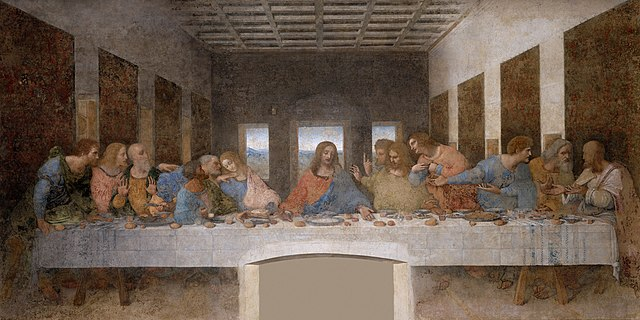
Leonardo da Vinci’s “The Last Supper” (1495-1498) is a masterpiece that has captivated viewers for centuries. Beyond its religious significance, the mural contains several intriguing details that art enthusiasts have debated for years.
One of the most peculiar Easter eggs is hidden in plain sight – the bread rolls on the table. When viewed together, they form a musical score. Some musicologists have even attempted to play this “hidden melody,” though its authenticity remains disputed.
Another subtle detail is the absence of halos on Jesus and his disciples. Unlike many religious paintings of the time, da Vinci chose to depict the figures without these divine symbols, possibly to emphasize their humanity.
The Garden of Earthly Delights by Hieronymus Bosch: A musical bottom
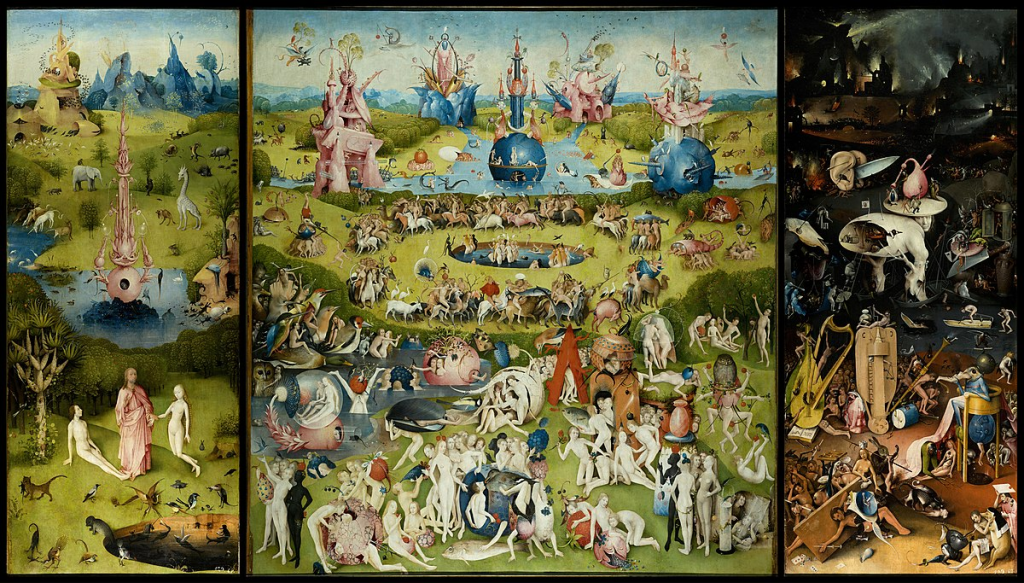
Hieronymus Bosch’s triptych “The Garden of Earthly Delights” (1490-1510) is a surreal masterpiece filled with bizarre imagery. Among its many strange details, one peculiar Easter egg stands out – quite literally.
In the right panel, depicting a hellish scene, a human figure has musical notes inscribed on his bottom. In 2014, a student actually transcribed and performed this “600-year-old butt song from hell,” bringing Bosch’s hidden melody to life.
The Persistence of Memory by Salvador Dalí: A hidden self-portrait
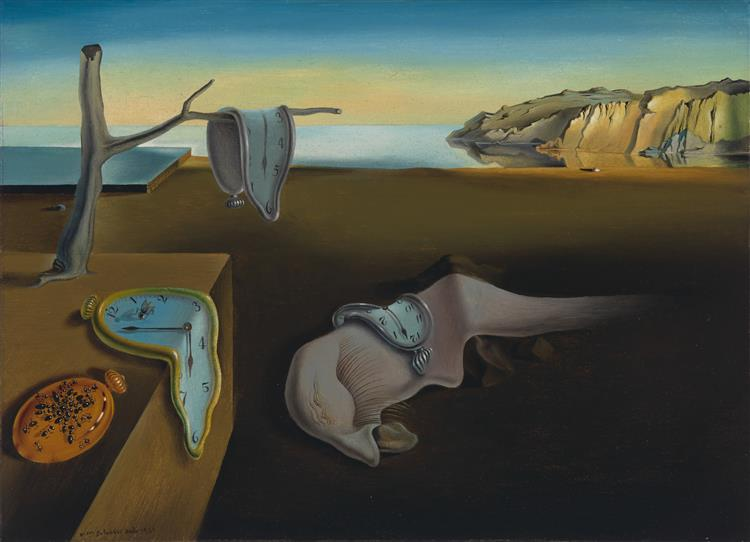
Salvador Dalí’s “The Persistence of Memory” (1931) is famous for its melting clocks, but it harbors a less obvious secret. Hidden within the painting’s dreamlike landscape is a distorted self-portrait of the artist.
The orange cliff in the background, when viewed from a certain angle, resembles a sleeping face – Dalí’s own. This clever inclusion adds another layer to the painting’s exploration of time, memory, and the subconscious.
American Gothic by Grant Wood: A sister’s revenge
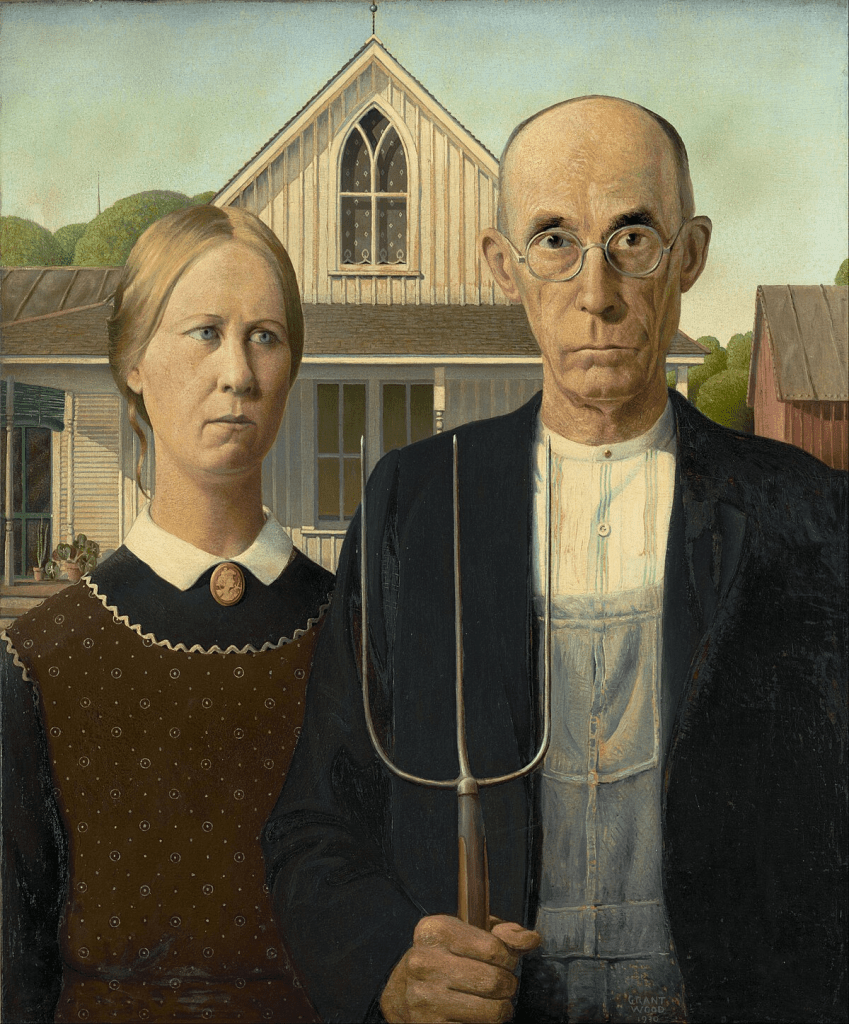
Grant Wood’s “American Gothic” (1930) might seem straightforward, but it contains a subtle jab that went unnoticed for years. The stern-faced woman in the painting was modeled after Wood’s sister, Nan.
Reportedly unhappy with how she was portrayed, Nan got her revenge. She convinced her brother to paint her wearing a cameo pendant featuring the face of their mother. This tiny detail, easily overlooked, adds a touch of familial complexity to the iconic image.
The psychology behind hidden details
Why do artists include these hidden elements? Psychologists suggest several reasons:
- Intellectual engagement: Easter eggs encourage viewers to look closer and engage more deeply with the artwork.
- Personal expression: They allow artists to include private jokes or personal references without disrupting the main composition.
- Social commentary: Hidden details can convey subversive messages or critiques of society.
- Artistic challenge: Creating these elements showcases the artist’s skill and attention to detail.
How to spot easter eggs?
Becoming an art detective requires patience and a keen eye. Here are some tips to help you uncover hidden details:
- Take your time: Spend more than a few seconds with each painting.
- Look for the unusual: Pay attention to elements that seem out of place or anachronistic.
- Consider context: Research the artist’s life and the historical period to understand potential references.
- Use technology: Some museums offer apps or augmented reality tools to help spot hidden details.
- Join guided tours: Art experts often point out these fascinating elements during museum tours.
The world of art is full of secrets waiting to be discovered. From van Eyck’s clever use of reflection to Dalí’s hidden self-portrait, these Easter eggs add an extra layer of excitement to the already fascinating world of fine art. They remind us that paintings are not just static images, but complex creations full of mystery and meaning.
The next time you visit a museum or gallery, take a moment to look beyond the obvious. Who knows what hidden wonders you might uncover in the brushstrokes of a master?
To find out more curious details about art and movies, check out the culture and entertainment feed of The Randomist.
FAQs
- Are all hidden details in paintings intentional?
Not necessarily. Sometimes, what viewers perceive as intentional “Easter eggs” might be coincidental or unintended by the artist. - Do modern artists still include Easter eggs in their work?
Absolutely! Many contemporary artists continue this tradition, sometimes even incorporating digital elements or augmented reality features. - Can hidden details change the interpretation of a painting?
They can indeed. Discovering these elements often adds new layers of meaning or context to the artwork. - Are there any famous paintings with undiscovered Easter eggs?
It’s entirely possible! Art historians and enthusiasts continue to debate and discover new details in even the most well-known paintings. - How do art conservators deal with these tiny details during restoration?
Conservators take great care to preserve all elements of a painting, no matter how small. Their goal is to maintain the artist’s original intent, including any hidden details.