

Chess, a game of strategy and intellect, has captivated minds for centuries. But for some enthusiasts, the traditional board and pieces aren’t quite enough. Enter the world of extreme chess, where players push the boundaries of the game by competing in extraordinary and challenging environments. The article delves into this fascinating realm, exploring underwater matches, mountain-top games, and even zero-gravity competitions.
What is Extreme Chess?
Extreme chess takes the cerebral challenge of the traditional game and adds a physical element, testing players’ mental and physical endurance. These unconventional matches not only provide a unique spectacle but also offer new perspectives on a game that’s been played for over 1500 years.
Underwater Chess
Underwater chess brings a whole new meaning to “diving deep” into strategy. Players don scuba gear and descend into pools or open water to face off against their opponents.
Key Features:
- Waterproof chess sets with weighted pieces
- Communication through hand signals or writing boards
- Limited game time due to oxygen supply constraints
Underwater chess requires players to manage their breathing and buoyancy while concentrating on their moves. The added pressure (both literal and figurative) creates a unique playing experience that tests both mind and body.

Mountain-top Chess
For those who prefer altitude to depth, mountain-top chess offers an exhilarating alternative. Matches are held on peaks, combining the mental challenge of chess with the physical demands of mountaineering.
Notable Aspects:
- Games played in extreme weather conditions
- Specialized equipment to secure the board and pieces
- Oxygen management at high altitudes
Mountain-top chess pushes players to their limits, requiring them to stay focused on the game while contending with thin air, cold temperatures, and unpredictable weather.

Zero-Gravity Chess
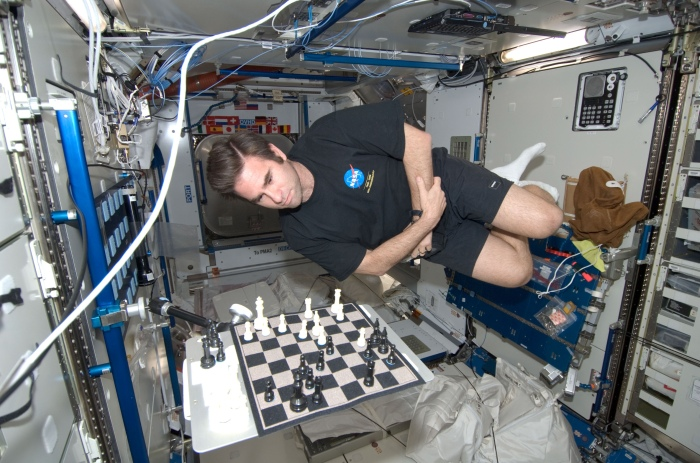
Perhaps the most extreme variation, zero-gravity chess takes the game beyond Earth’s boundaries. Played in parabolic flights or on space stations, this version presents unique challenges and opportunities.
Unique Challenges:
- Specially designed magnetic boards and pieces
- Three-dimensional movement of pieces
- Adapting to the physiological effects of weightlessness
Zero-gravity chess adds a new dimension to the game, literally. Players must think in three dimensions, considering moves that would be impossible in traditional chess.
Other Extreme Chess Variations
The world of extreme chess doesn’t stop there. Other variations include:
- Chess Boxing: Alternating rounds of chess and boxing
- Marathon Chess: Playing for extended periods, sometimes days
- Blindfold Simultaneous Chess: Playing multiple games simultaneously while blindfolded
- Arctic Chess: Matches played in sub-zero temperatures
Each variation adds its own unique twist to the game, challenging players in new and exciting ways.
Psychology of Extreme Chess
Extreme chess isn’t just about physical endurance; it also has a significant psychological component. Players must:
- Maintain focus in distracting or uncomfortable environments
- Manage stress and anxiety in extreme conditions
- Adapt quickly to changing circumstances
Studies have shown that these extreme conditions can affect decision-making and strategy, often leading to more aggressive or risky play.
Extreme chess represents the intersection of intellectual challenge and physical endurance. While it may seem bizarre to some, for its enthusiasts, it offers a unique way to test their limits and experience the game they love in new and exciting ways. As the world of extreme sports continues to grow, we may see even more innovative and daring variations of chess emerge in the future.
FAQs
- Is this type of chess recognized by official chess organizations? While some extreme chess events are organized by official bodies, most are not formally recognized in competitive play.
- How do players train for extreme chess matches? Training often combines traditional chess practice with physical conditioning specific to the extreme environment.
- Are there any safety concerns with extreme chess? Yes, each variation comes with its own set of risks. Organizers typically implement strict safety protocols to protect players.
- Can anyone participate in such events? While many events are open to the public, participants usually need to meet certain physical and skill-based requirements.
- Does playing in extreme conditions affect chess strategy? Yes, the unique challenges of each environment often influence players’ decision-making and overall strategy.
For more interesting cultural phenomenons and extreme sports, check out the culture and entertainment feed of The Randomist!