
Have you ever wondered why you always seem to buy more than you intended at the supermarket? The answer lies in the carefully crafted psychology behind store layouts. In this article, we’ll explore the fascinating world of retail psychology and how it influences your shopping behavior, with a special focus on how supermarket simulators are revolutionizing store design.
Retail Psychology and Supermarket Simulators
Retail psychology is the study of how stores use various techniques to influence consumer behavior. Supermarkets, in particular, have mastered the art of subtle persuasion through store design. Understanding these tactics can help you become a more conscious shopper. Supermarket simulators are increasingly being used to test and refine these psychological strategies in a virtual environment before implementation in real stores.
Store Layout Basics in Supermarket Simulators
The layout of a supermarket is far from random. Every aspect is meticulously planned to maximize sales. Key elements include:
- The “decompression zone” at the entrance
- Placement of essential items at the back of the store
- Wide aisles that encourage browsing
Supermarket simulators allow designers to test various layout configurations virtually, optimizing the shopping experience and sales potential without the cost of physical rearrangement.
Product Placement Strategies
Product placement is a crucial aspect of supermarket psychology. Some common strategies include:
- Placing high-profit items at eye level
- Positioning complementary products together
- Using end-cap displays for promotional items
With supermarket simulators, retailers can experiment with different placement strategies and analyze their impact on virtual shoppers’ behavior.
Color and Lighting Psychology in Supermarket Design
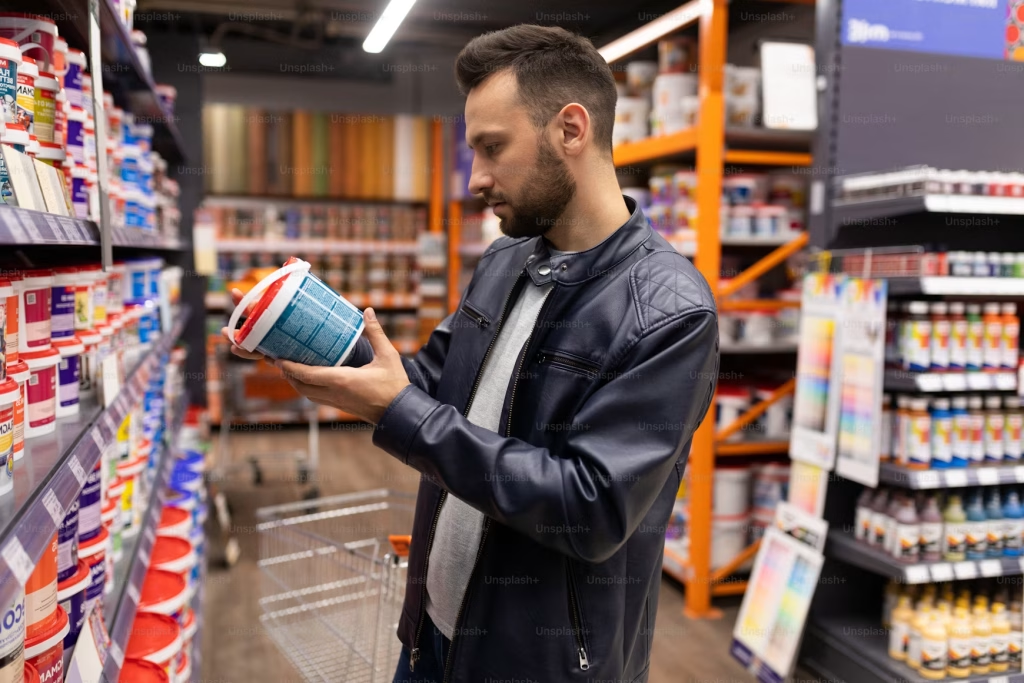
Colors and lighting play a significant role in influencing mood and purchasing decisions. For instance:
- Red is often used to draw attention to sales
- Soft lighting in the fruit and vegetable section makes produce appear fresher
- Bright lighting in checkout areas keeps customers alert and moving
Supermarket simulators allow designers to test various color schemes and lighting configurations to find the most effective combinations.
Music and Sensory Marketing
Supermarkets engage multiple senses to create a pleasant shopping experience:
- Slow-tempo music encourages lingering and more purchases
- The smell of freshly baked bread near the entrance stimulates appetite
- Free samples engage the sense of taste and promote product sales
While supermarket simulators can’t replicate all sensory experiences, they can help predict how certain elements might influence shopper behavior.
Supermarket Simulators and Digital Innovations in Store Design
Technology is revolutionizing supermarket layouts. Innovations include:
- Digital signage for dynamic pricing and promotions
- Mobile apps for personalized shopping experiences
- Virtual reality supermarket simulators for immersive testing
These supermarket simulators are particularly exciting, as they allow retailers to create highly detailed virtual shopping environments and analyze customer behavior with unprecedented accuracy.
Ethical Considerations in Supermarket Psychology
While these psychological tactics can boost sales, they raise ethical questions:
- Are these methods manipulative?
- Should there be regulations on how stores can influence consumers?
- How can we balance business interests with consumer protection?
As supermarket simulator software becomes more sophisticated, these ethical considerations may become even more pressing.
Understanding the psychology behind supermarket layouts empowers consumers to make more informed decisions. As technology advances, with tools like supermarket simulators becoming more sophisticated, we can expect even more refined strategies in the future. Being aware of these tactics allows us to appreciate the complexity of retail design while maintaining control over our shopping habits.
FAQs
- What is a supermarket simulator? A supermarket simulator is a virtual tool that allows retailers to test different store layouts and analyze customer behavior without physical implementation.
- How can I resist psychological tactics in supermarkets? Make a list before shopping, stick to a budget, and be aware of common tactics like eye-level placement of expensive items.
- Are all psychological tactics used in supermarkets unethical? Not necessarily. Many tactics also improve the shopping experience. The ethical line is drawn when tactics become manipulative or deceptive.
- How accurate are supermarket simulators in predicting real-world behavior? While not perfect, modern supermarket simulators can provide valuable insights and are becoming increasingly accurate as technology improves.
- Do online supermarkets use similar psychological tactics? Yes, online supermarkets employ digital versions of many of these tactics, such as product placement on web pages and personalized recommendations.
By understanding these psychological tactics and the role of supermarket simulators, we can become more conscious consumers, making informed choices in our shopping experiences.
For more curious and interesting facts about our daily lives, check out the Everyday Life feed on The Randomist!