
Sleep, that mysterious state we all experience yet understand so little about, has fascinated humans for millennia. While modern science recommends a solid 7-9 hours of shut-eye per night, history is peppered with influential figures who marched to the beat of their own nocturnal drum. From power nappers to night owls, these individuals not only survived but thrived with sleep patterns that would make today’s sleep experts raise an eyebrow.
Leonardo da Vinci: The Renaissance Power Napper
Leonardo da Vinci, the quintessential Renaissance man, reportedly adhered to a polyphasic sleep schedule known as the “Uberman sleep cycle.” This involved taking 20-minute naps every four hours, totaling a mere two hours of sleep per day.
This unusual pattern may have contributed to his prolific output across various fields. By minimizing long sleep periods, da Vinci maximized his waking hours, allowing him to juggle his numerous pursuits in art, science, and engineering. However, some historians argue that this sleep schedule might explain the high number of his unfinished works – perhaps he occasionally succumbed to exhaustion mid-project!

Napoleon Bonaparte: The Short Sleeper Conqueror

Napoleon Bonaparte, the French military leader and emperor, was renowned for his ability to function on minimal sleep. He typically slept for only four hours a night, often from 12 am to 4 am, with occasional 30-minute naps during the day.
This sleep habit allowed Napoleon to work long hours, planning military strategies and governing his empire. His ability to wake instantly and be fully alert gave him an edge in surprise nighttime attacks. However, some historians speculate that sleep deprivation may have contributed to his eventual downfall, affecting his decision-making in later years.
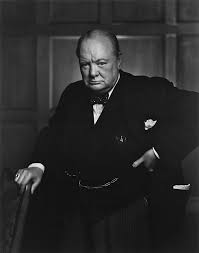
Winston Churchill: The Biphasic Statesman
British Prime Minister Winston Churchill was a proponent of biphasic sleep. He would sleep for five hours at night, from 3 am to 8 am, and take a solid 90-minute nap in the early afternoon.
Churchill claimed this schedule allowed him to get 1.5 days’ worth of work done every 24 hours. His afternoon naps were non-negotiable, even during the height of World War II. He credited these naps with giving him the stamina to work late into the night, making crucial decisions that helped guide Britain through its darkest hour.
Nikola Tesla: The Ultra-Short Sleeper Inventor

The brilliant inventor Nikola Tesla reportedly slept for only two hours per day. He viewed sleep as a waste of time and worked tirelessly on his inventions and theories.
Tesla’s extreme sleep deprivation likely contributed to his incredible productivity, with nearly 300 patents to his name. However, it may also have exacerbated his mental health issues later in life. Despite his claims, Tesla would occasionally crash and sleep for extended periods to recover from his punishing schedule.
Salvador Dalí: The Surrealist Micro-Napper
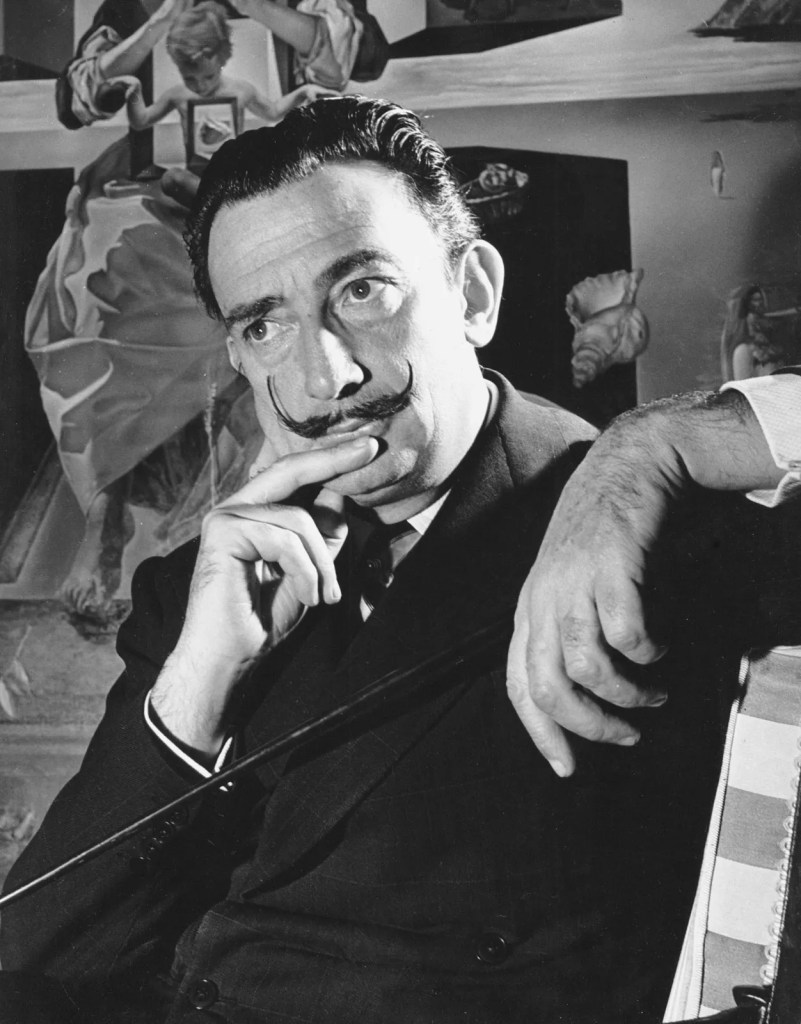
Surrealist painter Salvador Dalí developed a peculiar sleep technique he called “slumber with a key.” He would sit in a chair holding a heavy key over a plate. As he drifted off, the key would fall, clang on the plate, and wake him up. Dalí believed this micro-nap, lasting less than a second, refreshed his mind and creativity without leaving him groggy.
This technique allowed Dalí to maintain long waking hours while still benefiting from brief periods of unconsciousness. He claimed these micro-naps inspired many of his surrealist images, as they caught his mind in a fluid state between wake and sleep.
Impact of sleep on productivity and creativity
The sleep habits of these historical figures raise intriguing questions about the relationship between sleep, productivity, and creativity. While their unconventional patterns seemed to enhance their output and innovative thinking, it’s crucial to note that these are exceptional cases.
Many of these individuals reported increased productivity due to their extended waking hours. The fragmented sleep patterns of da Vinci and Dalí may have contributed to their creativity by allowing them to access hypnagogic states – the transitional state between wakefulness and sleep often associated with vivid imagery and unusual connections.
However, it’s important to consider the potential long-term effects of sleep deprivation, which may have impacted their health and decision-making abilities over time.
Modern sleep science perspective
Contemporary sleep research paints a more complex picture of these historical sleep habits. While short-term sleep deprivation can lead to increased productivity and even enhanced creativity in some cases, chronic sleep deficit is associated with numerous health risks and cognitive impairments.
Modern studies suggest that biphasic sleep patterns, like Churchill’s, may be more in line with our natural circadian rhythms than the monophasic sleep most of us adopt today. However, extreme practices like Tesla’s two-hour sleep schedule are generally considered unsustainable and potentially harmful.
The concept of polyphasic sleep, as practiced by da Vinci, has gained some modern proponents. However, sleep scientists warn that such patterns are difficult to maintain and may lead to chronic sleep deprivation for most people.
The unusual sleep habits of these historical figures offer a fascinating glimpse into the diverse ways humans can adapt their sleep patterns. While their achievements are undeniable, it’s essential to approach such extreme sleep schedules with caution.
These cases remind us that sleep is a highly individual experience, and what works for one person may not work for another. As we continue to unravel the mysteries of sleep, we may discover new ways to optimize our rest for enhanced productivity and creativity – hopefully without the need for falling keys or four-hour nights!
FAQs
- Can I try these historical sleep patterns safely?
It’s not recommended to drastically change your sleep pattern without medical supervision. Chronic sleep deprivation can have serious health consequences. - Are there any modern equivalents to these historical sleep habits?
Some modern polyphasic sleep schedules, like the “Everyman” or “Dymaxion” patterns, are inspired by historical figures’ habits. However, they’re not widely adopted or recommended by sleep experts. - Did these unusual sleep habits contribute to these figures’ success?
While their sleep patterns may have allowed for more working hours, their success was likely due to a combination of factors including talent, opportunity, and dedication. - How did these historical figures cope with so little sleep?
Many of them reported taking short naps throughout the day, which may have helped mitigate some effects of sleep deprivation. - Are there any benefits to unconventional sleep patterns?
Some people report increased productivity with biphasic sleep (sleeping in two phases). However, extreme sleep restriction is generally not beneficial in the long term.