
Accidental inventions that changed the world
In the annals of scientific history, some of the most groundbreaking inventions have emerged not from meticulous planning, but from happy accidents. These serendipitous discoveries have reshaped our world, revolutionizing medicine, technology, and everyday life. From life-saving drugs to ubiquitous office supplies, accidental inventions remind us that sometimes, the most extraordinary breakthroughs occur when we least expect them.
Penicillin: The moldy miracle
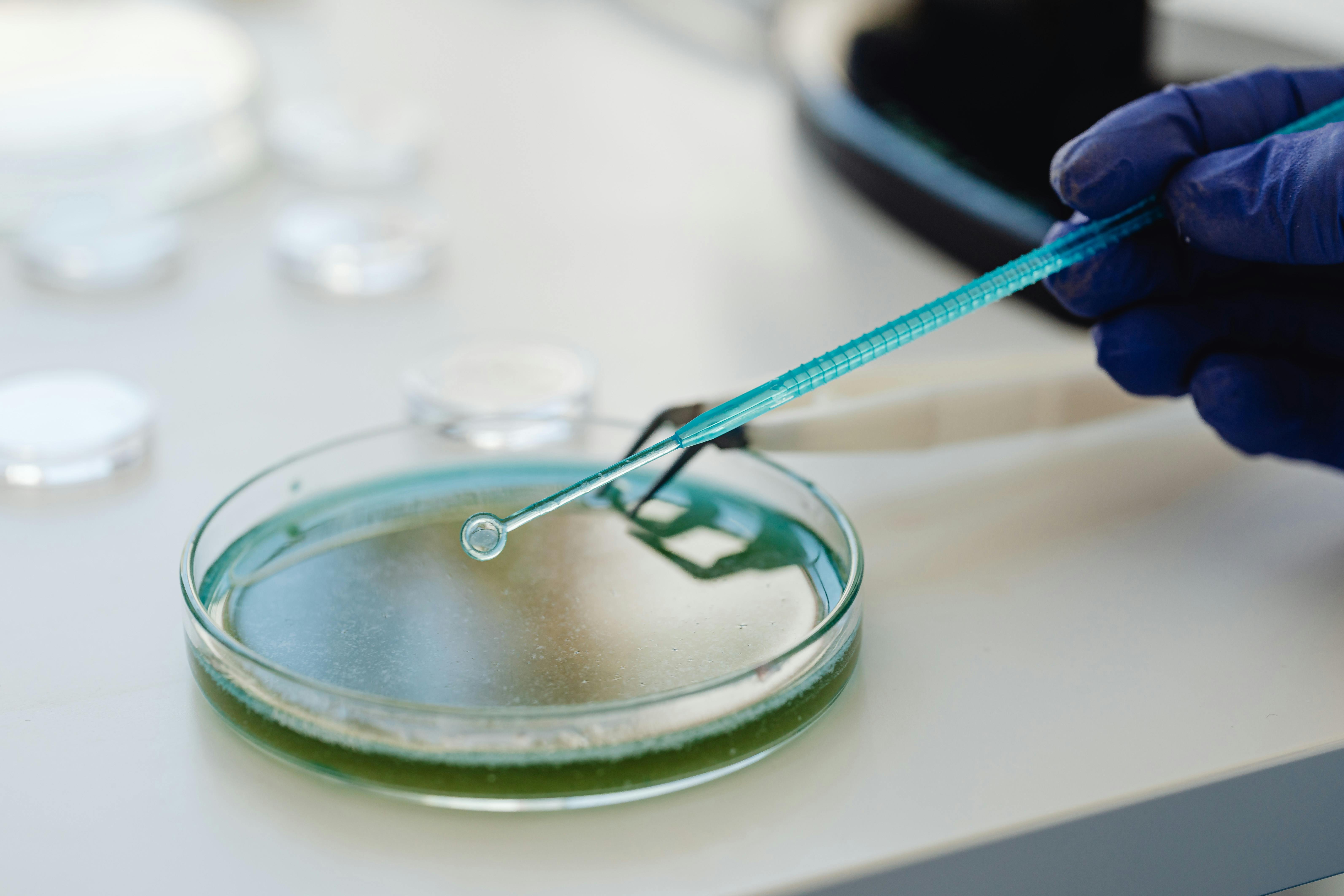
Discovery story: In 1928, Scottish bacteriologist Alexander Fleming returned from vacation to find mold growing on a contaminated Petri dish. Surprisingly, the area around the mold was clear of bacteria. This chance observation led to the discovery of penicillin, the world’s first antibiotic.
Impact: Penicillin revolutionized medicine, providing a powerful weapon against bacterial infections that were previously often fatal. It saved countless lives during World War II and paved the way for the development of other antibiotics.
Modern use: While antibiotic resistance is a growing concern, penicillin and its derivatives remain crucial in treating many bacterial infections, from strep throat to pneumonia.
X-rays: Seeing through the mystery
Discovery story: In 1895, German physicist Wilhelm Conrad Röntgen was experimenting with cathode ray tubes when he noticed a nearby fluorescent screen glowing. He had accidentally discovered a new type of radiation that could pass through solid objects.
Impact: X-rays transformed medical diagnosis, allowing doctors to see inside the human body without surgery. They also found applications in security, scientific research, and even art restoration.
Modern use: Today, X-rays are a standard diagnostic tool in medicine and dentistry. Advanced imaging techniques like CT scans are based on X-ray technology.

Microwave oven: Cooking with radar
Discovery story: In 1945, Raytheon engineer Percy Spencer was working on magnetrons for radar sets when he noticed the chocolate bar in his pocket had melted. Intrigued, he experimented further and realized that microwaves could cook food rapidly.
Impact: The microwave oven revolutionized home cooking, offering a quick and convenient way to heat and cook food. It changed meal preparation habits and spawned a whole new category of food products.
Modern use: Microwave ovens are now a staple in kitchens worldwide, used for everything from reheating leftovers to preparing entire meals.

Super Glue: The sticky situation
Discovery story: In 1942, Dr. Harry Coover was attempting to create clear plastic gun sights for Allied soldiers. Instead, he created a substance that stuck to everything it touched. Initially dismissed, the potential of this super-adhesive was realized years later.
Impact: Super Glue (cyanoacrylate) found applications far beyond its original military purpose, becoming a household staple for repairs and a valuable tool in various industries.
Modern use: Today, variations of Super Glue are used in everything from home repairs to medical procedures, including suture-less surgery.

Post-it Notes: The bookmark that stuck around
Discovery story: In 1968, Dr. Spencer Silver at 3M was trying to develop a super-strong adhesive. Instead, he created a weak, pressure-sensitive adhesive. Years later, his colleague Art Fry used this adhesive to create bookmarks that wouldn’t fall out of his hymnal, leading to the invention of Post-it Notes.
Impact: Post-it Notes transformed office communication and personal organization, offering a simple yet effective way to jot down and stick temporary notes.
Modern use: Despite the digital age, Post-it Notes remain popular in offices and homes worldwide, with digital versions now available on computers and smartphones.

The role of serendipity in science – from accident to invention
These accidental inventions highlight the crucial role of serendipity in scientific discovery. While methodical research is the backbone of scientific progress, many groundbreaking discoveries have occurred when alert minds recognized the potential in unexpected results.
Serendipity in science involves more than just luck. It requires:
- Prepared minds: Scientists must have the knowledge to recognize the significance of unexpected observations.
- Curiosity: The willingness to investigate anomalies rather than dismiss them.
- Persistence: Many accidental discoveries were initially overlooked or dismissed before their true potential was realized.
Lessons for modern research – how accidental inventions change history
The stories of these accidental inventions offer valuable lessons for modern researchers and innovators:
- Embrace the unexpected: Don’t discard unusual results; they might lead to breakthrough discoveries.
- Foster interdisciplinary collaboration: Many accidental inventions found applications in fields far from their original purpose.
- Maintain open-mindedness: Be willing to pivot from original research goals if promising new directions emerge.
- Create environments that allow for serendipity: Encourage exploration and provide time for side projects.
- Develop observation skills: Train researchers to notice and investigate anomalies.
Accidental inventions have played a pivotal role in shaping our modern world. From life-saving medicines to everyday conveniences, these serendipitous discoveries remind us of the unpredictable nature of innovation. While rigorous scientific methods remain crucial, the stories of these accidental inventions encourage us to remain open to the possibilities that arise from the unexpected. In the quest for knowledge and progress, sometimes the most significant breakthroughs come not from what we’re looking for, but from what we happen to find along the way.
Accidental inventions – FAQs
- Are truly accidental inventions common in modern times?
While less common due to more structured research methods, accidental discoveries still occur in modern labs, often leading to innovative applications of existing technologies. - How can companies encourage accidental innovations?
Companies can foster innovation by allowing employees time for independent projects, encouraging cross-department collaboration, and creating a culture that views failures as learning opportunities. - Are all accidental inventions immediately recognized as valuable?
No, many accidental inventions were initially overlooked or considered failures. It often takes time and sometimes a different perspective to recognize their potential. - How does patent law handle accidental inventions?
Patent law generally doesn’t distinguish between intentional and accidental inventions. The key factors are novelty, non-obviousness, and usefulness. - Can AI and machine learning lead to accidental discoveries?
Yes, AI and machine learning can identify patterns or possibilities that humans might overlook, potentially leading to unexpected discoveries in data analysis and drug development, among other fields.
For more curious inventions and interesting facts, check out the science and technology feed on The Randomist!