
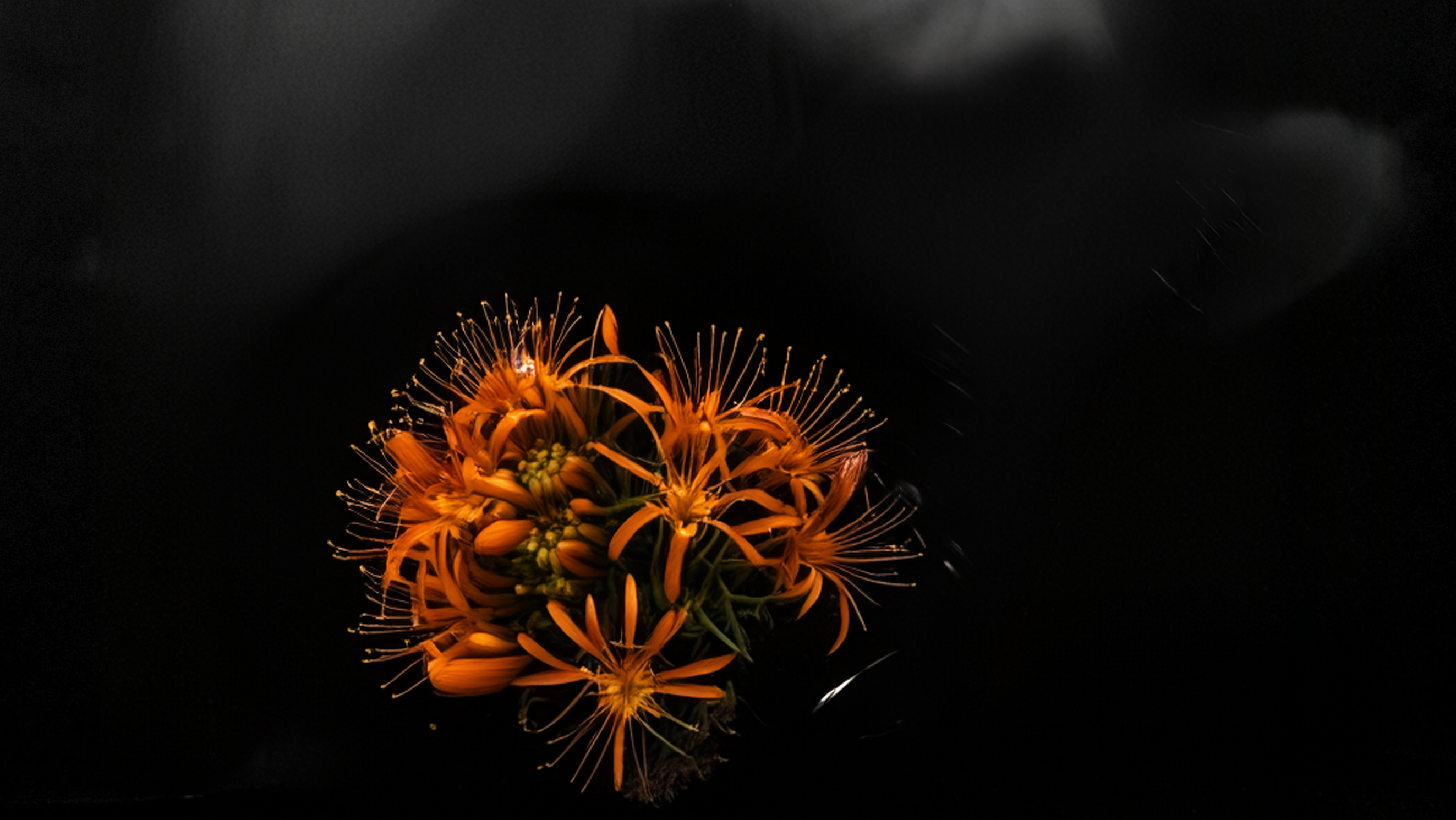
Nature never ceases to amaze us with its spectacular displays, but beyond the well-known wonders like the Northern Lights or the Grand Canyon lie a multitude of hidden wonders waiting to be discovered. These lesser-known natural phenomena offer breathtaking experiences for the intrepid traveler. Let’s explore five of these hidden wonders, their scientific explanations, and where you can witness them.
1. The Glowing Beaches of the Maldives
The Phenomenon
On certain nights, the beaches of Vaadhoo Island in the Maldives come alive with a mesmerizing blue glow, transforming the shoreline into a starry landscape.
The Science
This bioluminescent display is caused by marine microorganisms called phytoplankton. When disturbed by oxygen or movement, they emit a blue light, creating a magical effect in the water.
Best Time to Visit
The phenomenon is most visible on moonless nights from July to February, with August and September being peak months.
2. The Flowering Desert of Atacama, Chile
The Phenomenon
The world’s driest non-polar desert bursts into a riot of color every five to seven years, carpeting the landscape with a diverse array of flowers.
The Science
This hidden wonder occurs when unusual amounts of rainfall awaken dormant seeds in the desert soil. The harsh conditions have led to the evolution of resilient plant species that can lie dormant for years.
When to Witness
The blooming is unpredictable but typically happens between September and November in years with sufficient rainfall.
3. The Ice Caves of Kamchatka, Russia
The Phenomenon
Beneath the Mutnovsky volcano on Russia’s Kamchatka Peninsula, a network of stunning ice caves formed by volcanic activity and melting glaciers awaits explorers.
The Science
Hot volcanic gases melt pathways through the glacial ice, creating these otherworldly caverns. The interplay of light through the ice produces an incredible array of colors.
Visiting Information
The caves are accessible from June to September, but due to their remote location and the technical skill required, guided tours are essential.
4. The Rainbow Eucalyptus Trees of Maui, Hawaii
The Phenomenon
Along the Hana Highway on Maui, groves of eucalyptus trees display a stunning spectrum of colors on their bark, creating a natural rainbow effect.
The Science
As the Rainbow Eucalyptus shed their bark at different times, the newly exposed bark is bright green. This bark darkens and matures to blue, purple, orange, and maroon tones, creating a multi-colored effect.
Best Viewing
The trees are visible year-round, but colors are most vibrant during the rainy season from November to March.
5. The Spotted Lake (Kliluk) of British Columbia, Canada
The Phenomenon
This mineral-rich lake near Osoyoos, British Columbia, features large colored spots that change throughout the summer, creating a polka-dot effect on the water’s surface.
The Science
The spots are formed by various mineral deposits. As water evaporates during summer, these minerals form colored pools separated by natural walkways of magnesium sulfate.
Viewing Tips
The lake is best viewed from June to September when water levels are lower, making the mineral deposits more visible. Note that the lake itself is sacred to the local Okanagan people and is not open for public access, but it can be viewed from an adjacent viewing area.
Preserving Hidden Wonders
As we seek out these hidden wonders, it’s crucial to remember our role in preserving them for future generations. Responsible tourism practices include:
- Respecting local guidelines and restrictions
- Minimizing our environmental impact
- Supporting local conservation efforts
- Educating ourselves and others about these unique ecosystems
Conclusion
These hidden wonders remind us of the incredible diversity and beauty of our natural world. They offer not just spectacular views, but also insights into the complex and often surprising ways that nature operates. As you plan your next adventure, consider seeking out these lesser-known phenomena. The memories of such unique experiences will last a lifetime, and your journey might inspire others to appreciate and protect the hidden wonders of our planet.
FAQs
- Are these hidden wonders accessible to all travelers? While some are relatively easy to visit, others may require specialized guides or equipment. Always research thoroughly and prepare appropriately.
- How can I find out about other hidden natural wonders? Local nature guides, scientific publications, and specialized travel forums are great resources for discovering lesser-known natural phenomena.
- Is it better to visit these places independently or with a tour group? This depends on the location and your experience level. For remote or potentially dangerous sites, guided tours are often the safer and more environmentally responsible choice.